

Insurance expense has a normal debit balance, as it is an expense account. Companies will typically debit the expense and credit cash every time they pay their insurance premium. Companies can also have prepaid bookkeeping and payroll services insurance, which occurs when they pay an insurance policy in full. On July 1, the company receives a premium refund of $120 from the insurance company.
Income Tax
- Included are the income statement accounts (revenues, expenses, gains, losses), summary accounts (such as income summary), and a sole proprietor’s drawing account.
- Let’s assume that a company is started on December 1 and arranges for business insurance to begin on December 1.
- While it might seem like debits and credits are reversed in banking, they are used the same way—at least from the bank’s perspective.
- It also shows that the bank earned revenues of $13 by servicing the checking account.
- For the past 52 years, Harold Averkamp (CPA, MBA) hasworked as an accounting supervisor, manager, consultant, university instructor, and innovator in teaching accounting online.
For example, terms of “1/10, n/30” indicates that the buyer can deduct 1% of the amount owed if the customer pays the amount owed within 10 days. As a contra revenue account, sales discount will have a debit balance and is subtracted from sales (along with sales returns and allowances) to arrive at net sales. This account is a non-operating or “other” expense for the cost of borrowed money or other credit. To keep a company’s financial data organized, accountants developed a system that sorts transactions into records called accounts. When a company’s accounting system is set up, the accounts most likely to be affected by the company’s transactions are identified and listed out.
Demystifying Car Insurance Claims for Own Damage: Your Comprehensive FAQ Guide
This is insurance expense a debit or credit is done with an adjusting entry at the end of each accounting period (e.g. monthly). One objective of the adjusting entry is to match the proper amount of insurance expense to the period indicated on the income statement. An insurance premium is an amount that an organization pays on behalf of its employees and the policies that a business has rendered. The expense, unexpired and prepaid, is reported in the books of accounts under current assets. And the expense for that period is shown under the profit and loss statement.

Initial Payment of Insurance Premium
For example, paying $500 each month over the course of a 12-month policy. With this foundation, let’s look at some insurance accounting examples. Natural capital accounts are tools that measure the value of natural resources and ecosystems in economic terms.
Expense Accounts
It is important to be aware of this potential consequence when filing a claim and to weigh the pros and cons of doing so. Ultimately, it is important to research the details of the policy and make an what are retained earnings informed decision about filing a claim to ensure the best outcome. When submitting an insurance claim, it is important to review the coverage and policy details to ensure accuracy and to maximize the chance of successful reimbursement. The claim should include all pertinent information regarding the event or loss that is being claimed. This includes details such as the date, location, and any other necessary information.

- High-performance or luxury vehicles will have higher premiums than standard automobiles.
- By taking the time to understand how insurance expenses affect their business, businesses can ensure that they are adequately protected without overspending.
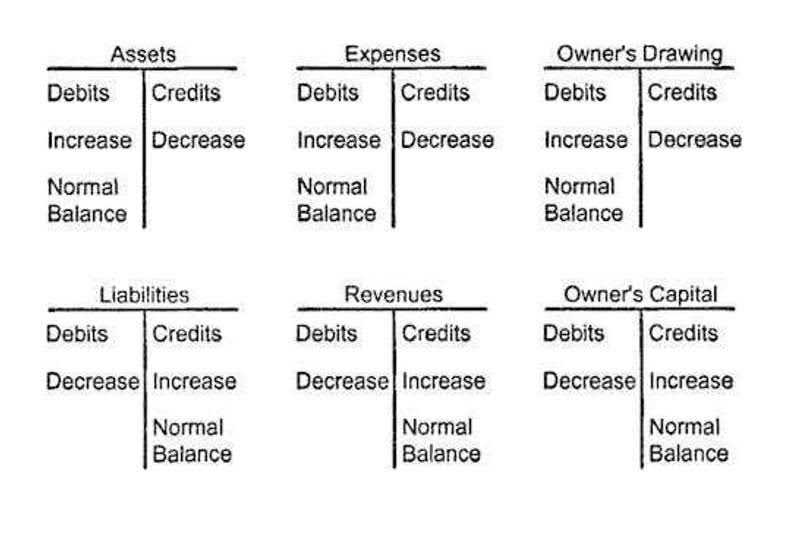
- Debits increase asset or expense accounts and decrease liability, revenue or equity accounts.
- It is the reverse of current assets to the expense on income statement.
- While insurance premiums and other expenses can be costly, understanding what factors affect these expenses can help businesses save money and ensure that they are adequately protected.
- When recording a transaction, every debit entry must have a corresponding credit entry for the same dollar amount, or vice-versa.
Things that are resources owned by a company and which have future economic value that can be measured and can be expressed in dollars. Examples include cash, investments, accounts receivable, inventory, supplies, land, buildings, equipment, and vehicles. The 500 year-old accounting system where every transaction is recorded into at least two accounts. Therefore, always consult with accounting and tax professionals for assistance with your specific circumstances. Asset, liability, and most owner/stockholder equity accounts are referred to as permanent accounts (or real accounts).
Journal Entries
The account is usually listed on the balance sheet after the Inventory account. As a result these items are not reported among the assets appearing on the balance sheet. The initial challenge is understanding which account will have the debit entry and which account will have the credit entry. Before we explain and illustrate the debits and credits in accounting and bookkeeping, we will discuss the accounts in which the debits and credits will be entered or posted. When insurance is due for each quarter, i.e., $2,000 will be subtracted from the prepaid account and is shown as an expense in the income statement for that reporting quarter.